


Description
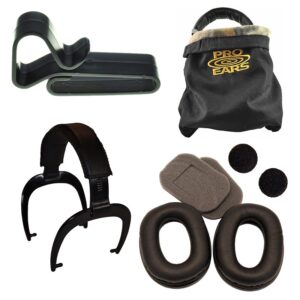
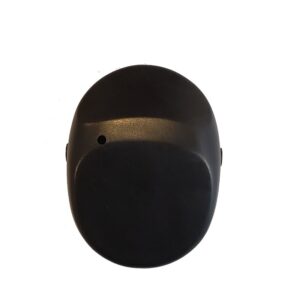
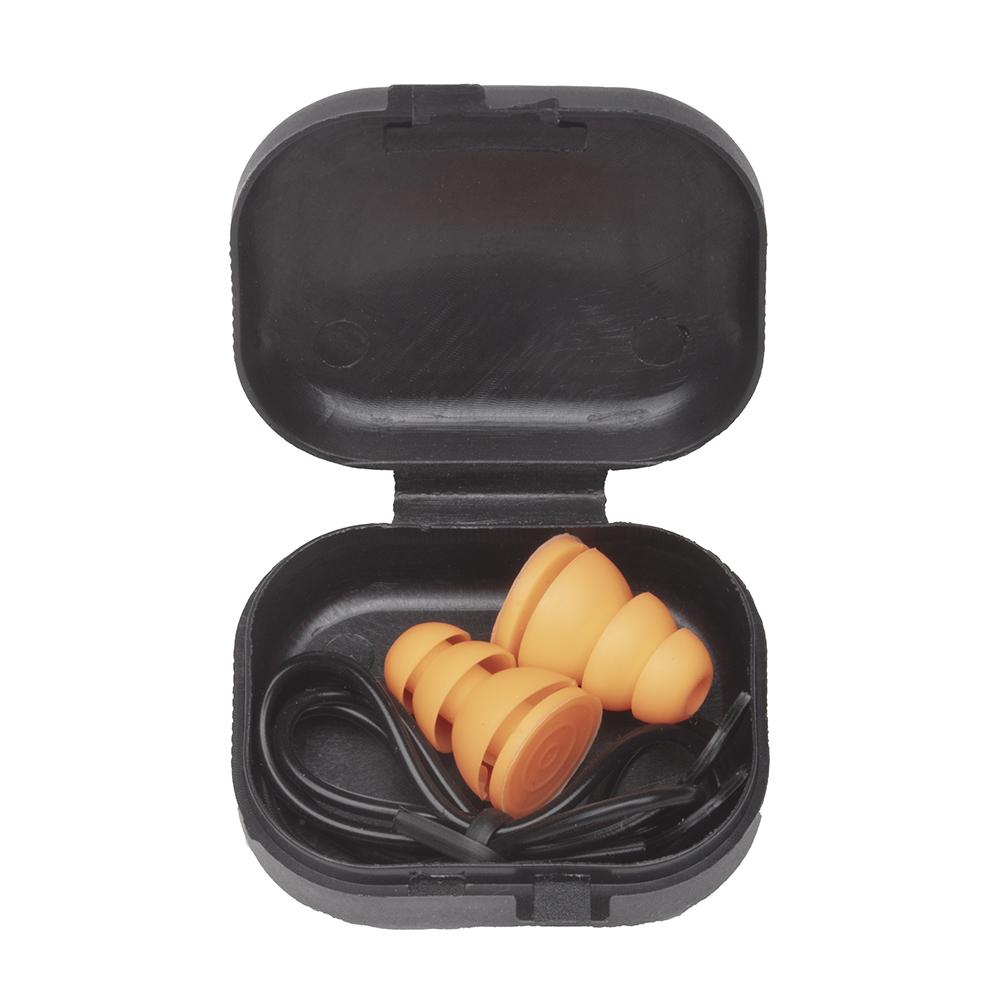
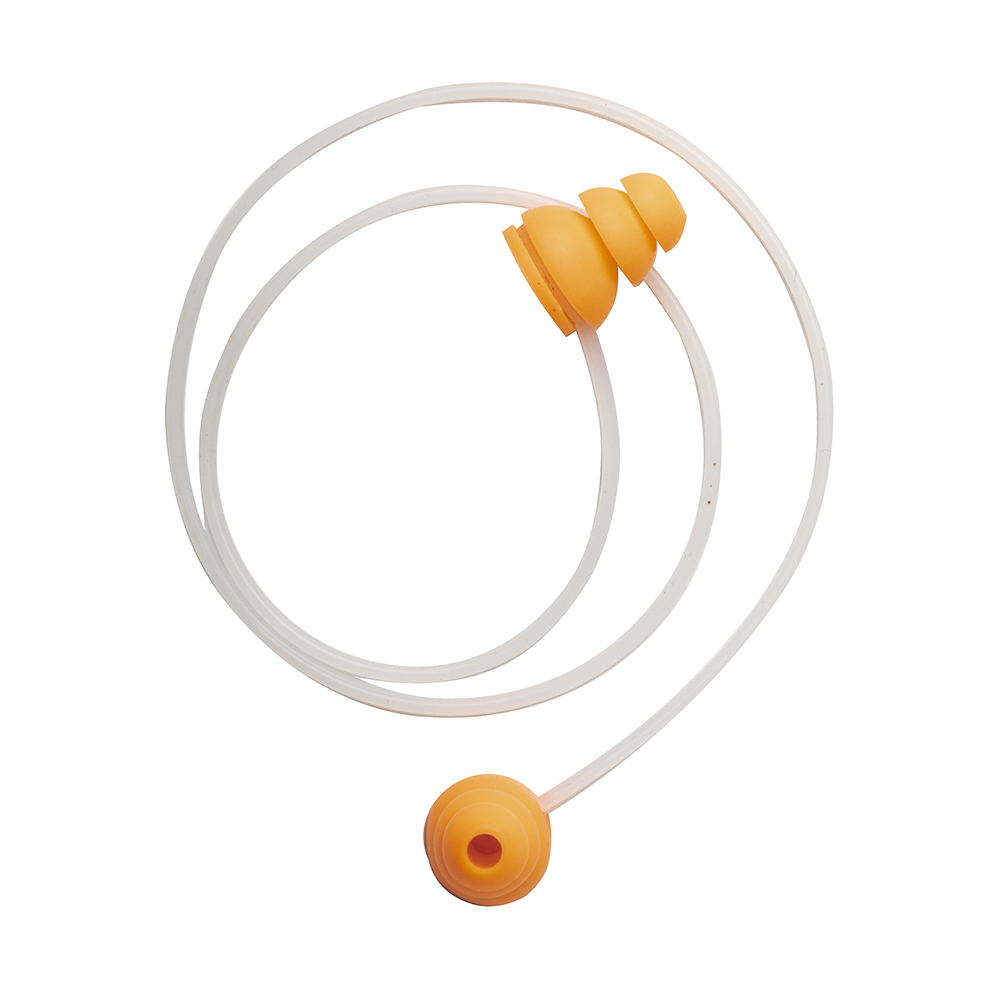
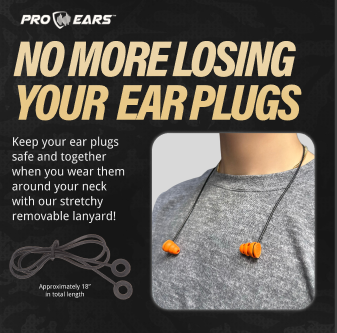
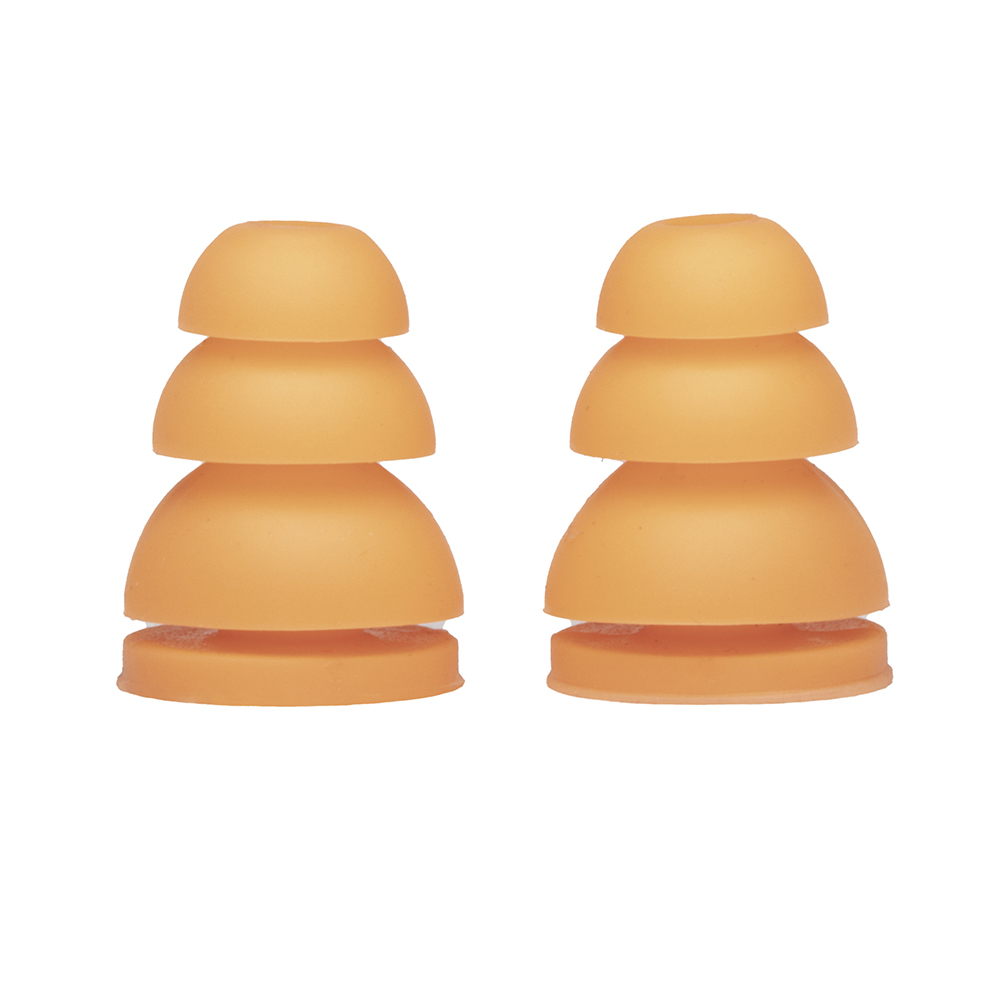
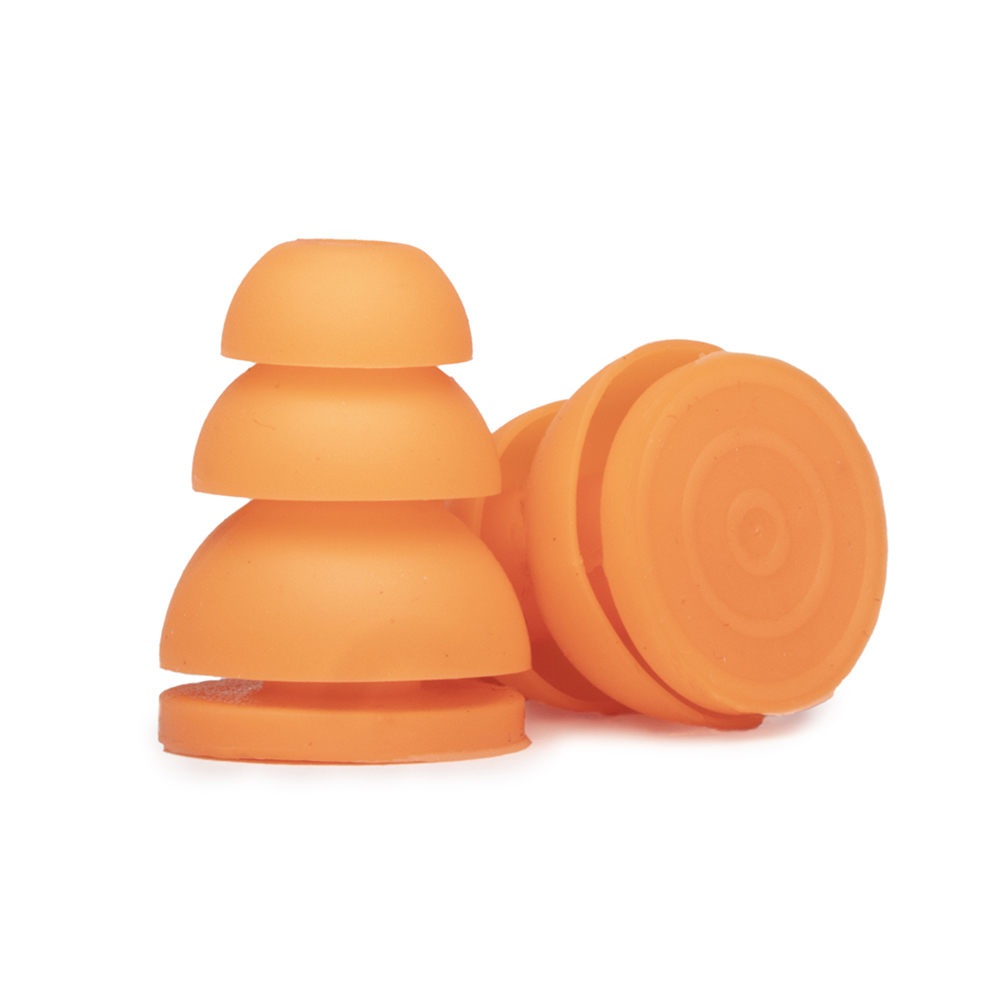
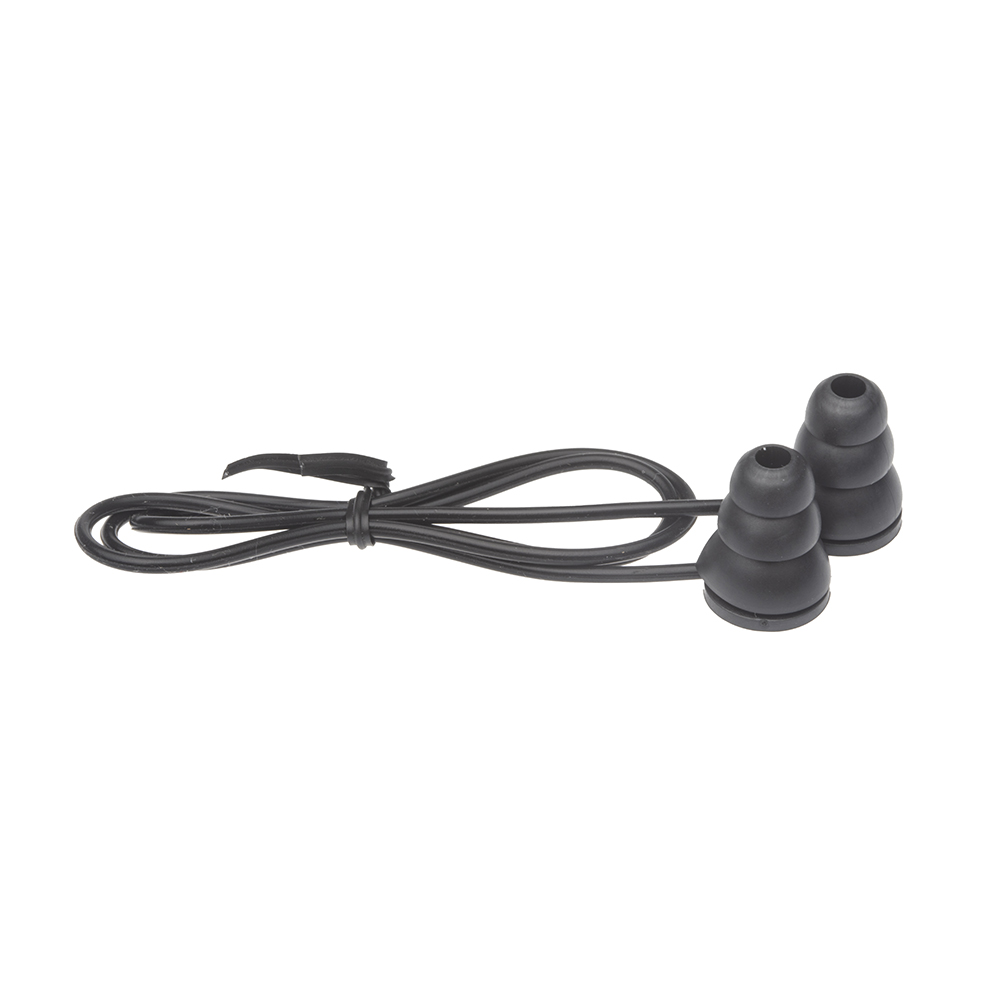
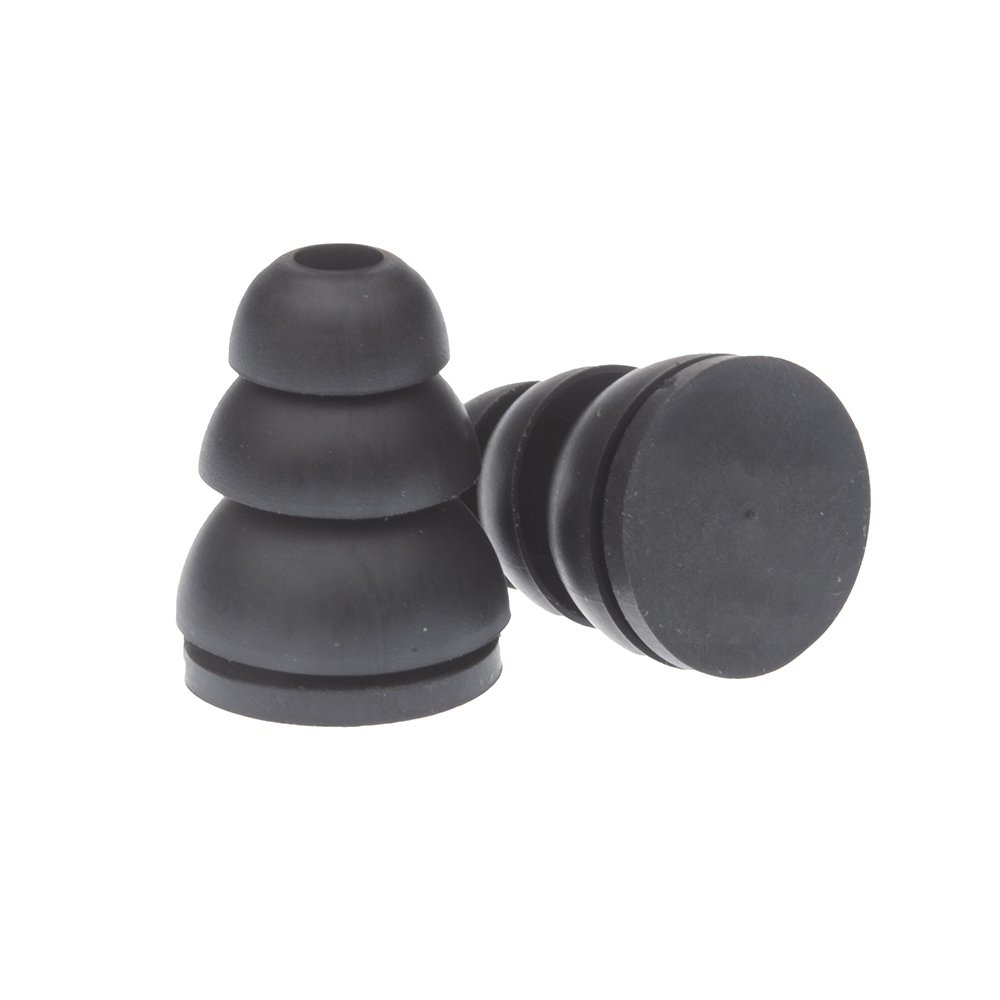
NEW AudiomorphicTM Earplug
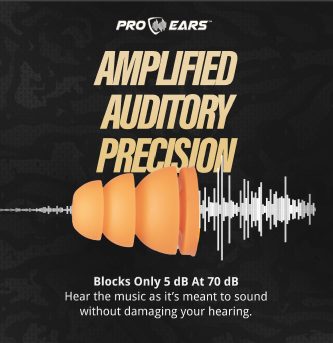
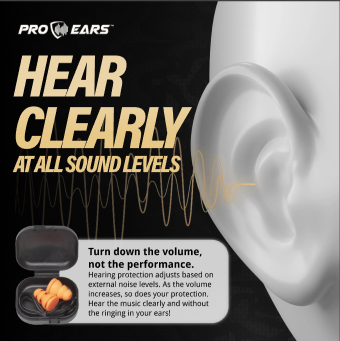
Protect your ears without sacrificing Communications! The louder it gets the more sound they block.
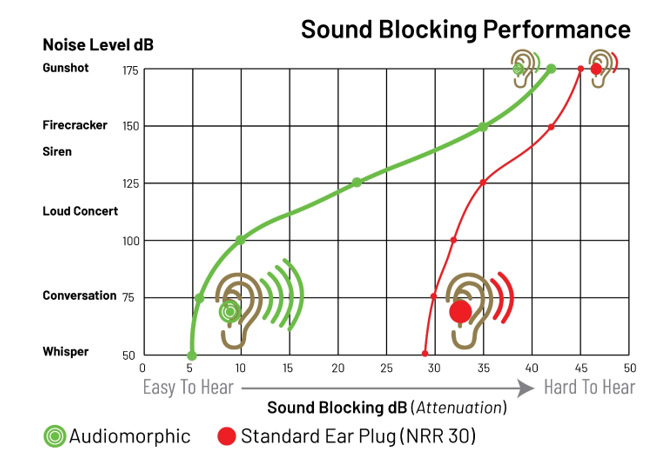
- Best in class IPIL 41 dB attenuation at 160 dB impact sound level – best protection for gunshot
- Lowest NRR tested at 95 dB (12 dB) – allows clear communication in moderate noise
- Only 5 dB blocked at 70 dB – hear a whisper when it is quiet
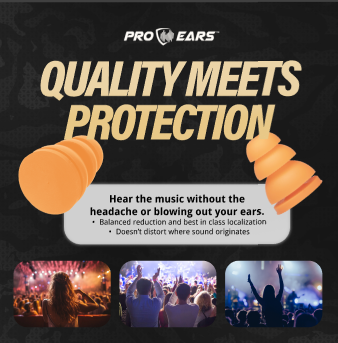
- Best situational awareness – localization of 17 degrees
Understanding and Measuring IPIL: A Key Element in Hearing Protection
In the realm of hearing protection, a crucial factor that often goes unnoticed is the Impulse Peak Insertion Loss (IPIL). This metric plays a significant role in assessing the effectiveness of hearing protection devices and ensuring that individuals are shielded from sudden, high-intensity sounds that could potentially cause irreversible damage to their hearing.
What is IPIL?
IPIL, or Impulse Peak Insertion Loss, is a measure of how well a hearing protection device (HPD) can attenuate sudden, impulsive noises. Unlike continuous noise, impulse noises are characterized by their sudden onset and short duration, making them particularly challenging to manage with traditional hearing protection methods.
Measuring IPIL involves assessing the reduction in sound intensity during an impulse noise event. The goal is to determine how effectively the hearing protection device can mitigate the impact of these sudden bursts of sound energy on the ear.
How is IPIL Measured?
IPIL is typically measured in decibels (dB) and involves exposing a person wearing a hearing protection device to simulated impulse noises in a controlled environment. The tests mimic real-world scenarios where individuals might be exposed to sudden loud sounds, such as gunshots or explosions.
During these tests, microphones record the sound levels both inside and outside the ear, allowing researchers to calculate the reduction in intensity provided by the hearing protection device. The result is the IPIL, indicating the device’s ability to safeguard against impulse noises.

The Importance of IPIL in Hearing Protection
1. Addressing Occupational Hazards:
In various occupational settings, workers are exposed to impulsive noises that can pose a serious threat to their hearing health. Industries such as construction, manufacturing, and military operations often involve machinery and equipment producing sudden, high-intensity sounds. Hearing protection devices with high IPIL values are crucial in safeguarding workers in these environments.
2. Enhancing Safety in Recreational Activities:
Beyond the workplace, individuals engaging in recreational activities like shooting sports or attending concerts may also benefit from hearing protection with significant IPIL. These devices can reduce the risk of noise-induced hearing damage without compromising the overall experience.
3. Preserving Hearing Health:
Given the irreversible nature of noise-induced hearing loss, prioritizing effective hearing protection becomes essential. IPIL serves as a valuable metric to ensure that individuals are adequately shielded from the harmful effects of sudden loud noises, preserving their long-term hearing health.
In conclusion, understanding and measuring IPIL are vital steps in the ongoing quest for effective hearing protection. By prioritizing devices with high Impulse Peak Insertion Loss, we can mitigate the risks associated with impulsive noises and pave the way for a safer and healthier auditory future.